SEARCH FOR MORE..

INDIAN HINDU TEMPLE - DAKOR GUJARAT


The Popular Hindu Temple at Dakor Wallpaper 


DAKOR is a small municipality town in KHEDA district into the state of GUJARAT. The attraction of DAKOR from worldwide is the temple of lord KRISHNA (SHREE RANCHHODRAIJI). The place is a HINDU worship place and takes thousand of devotees every year from worldwide. The lord of the temple is RANCHHODRAIJI whom is from one of the AVATARS of lord KRISHNA. There are 108 names of lord KRISHNA as per legend says.


Why Lord Krishna Temple at Dakor ? 
The presence of DAKOR name is belonged from the great devotee of lord KRISHNA, the BODANA. In his previous birth, he is supposed to live in GOKUL and been a cowherd called VIJAYANAND. On once at a HOLI day, all the cowherds except VIJAYANAND worshiped lord KRISHNA, but VIJAYANAND has proud and stayed at home. Lord KRISHNA came to his house in disguise of his friend and sent him to perform “HOLI PUJA”. Coming back he felt that the friend came to him was no one but a lord KRISHNA. Next day they fought a battle of COLOUR and lord KRISHNA fell into the river. VIJAYANAND went after him where lord KRISHNA revealed his true self. This storey is told by one of the devotees of KRISHNA, BHOLANATH in 1957.  He used to walk all the way from DAKOR to DWARKA on every full moon night. As BHOLANATH aged, it became harder for him to go to DWARKA. Then lord KRISHNA told him that he need not walk all the way to DWARKA as he had decided to accompany him and stay with him in DAKOR.

 So, some devotees started moving the idol of Lord Krishna. The local people objected to this and fought with the devotees. God told the devotees to throw his idol into the water. The local people searched for the idol by poking sticks into the water, but they were not able to find it. When the devotees removed the idol of Lord KRISHNA, wounds were seen all over the idol. These wounds were attributed as due to the sticks.

The local people then asked the devotees for gold equal to the weight of the idol. The only gold that the devotee had was his wife's nose ring. However, when the nose ring and the idol were weighed, they were found to be equal in weight. It is believed that Lord KRISHNA tilted the scales in favor of the nose ring, so that the local people could get only a very small quantity of gold. This idol of Lord KRISHNA was then installed at DAKOR. This shows how Lord KRISHNA changed his residence for the convenience of his devotees.

Recently, DAKOR is included in one of the six major pilgrimage places under "YATRADHAM VIKAS BOARD" by Government of GUJARAT for development as a well-planned and well organized pilgrim place to facilitate the vast amount of visiting pilgrims. Lots of pilgrims visit the place every year and a continuous increase is witnessed every year. On "FAGUN PURNIMA" celebration the town gets ready with all the means to welcome and serve 1.5 million tourists. The sentiments and emotions of devotees during these celebrations are unimaginable.

When Festival at Dakor Temple Gujarat ?
On full moon days, people visit the temple to seek the blessings as was done by the devotee who brought SHREE KRISHNA to the temple. So there is a great inflow of people and the town is very crowded. There is a carnival or fair taking place around February and March, on the day of festival of HOLI and observed by all HINDUS as a mark for triumph of the truth and goodness.

On the day of SHARAD PURNIMA which comes after end of NAVRATRA is the day believed on which lord KRISHNA come to DAKOR as RANCHHODRAIJI with his great devotee known as BODANA. Lord comes to DAKOR to fulfill the promise that he will come to DAKOR with BODANA

History Of Dakor Mandir 
Over the years, much has changed at DAKOR. From a small village of DANKPUR, it has now transformed itself into a major center of religious and commercial activity in the region. The small shrine of the original temple is now encased in a large temple complex, which has grown up around it. The current temple complex is set in a large square setting. Four gates pierce the outer walls at the cardinal points. Various offices and storerooms are set around the outer perimeter of the temple. The actual temple is set on a high platform in a complex, set in the style of medieval temples from the region. The form of Lord RANCHHODRAI is that of the Lord Vishnu with four arms. As is usual with Lord Vishnu, he bears the conch, lotus, discus and the mace in his hands. The lower right arm is held up in the ABHAYA MUDRA - giving protection to all those who come to Him. There may be a lotus imprinted on the hand, but it is impossible to confirm that without getting really close to the Lord. As the Lord here is worshipped more as Krishna than DWARKADHISH, i.e. younger and freer than the mature Lord of DWARKA, His right hand is often shown to hold a flute - a favorite instrument of the Lord in His younger days. The upper right hand holds the mace, the upper left hand holds the discus and the lower left hand holds the conch. Ordinarily, it is difficult to see these "AVADHUS" of the Lord in His hands. During festivals, the hands encased in gloves of gold studded with gems.

How to reach Dakor Temple Gujarat ?
DAKOR is in THASRA TALUKA of KHEDA District, 43 km northeast of ANAND, and 35 km east of NADIAD. Private and ST buses are available from AHEMEDABAD, VADODARA and ANAND.NADIAD and ANAND are the nearest major railway stations. There is also a slow-train branch line terminus at UMRETH, 7 km away. The nearest airport is in VADODARA- 78 km south, but the AHEMEDABAD airport- 90 km to the northwest, is not much further and has far more flights.


The Famous Temple Dakor Entrance


Temple of Gujarat at Dakor Pictures Collection


The Temple Ranchhodraji at Dakor Photos


Dakor Krishna Temple of Gujarat Photo Gallery


Dakor The Temple of God Ranchhodraiji Pictures


Dakor Temple of Gujarat God Pictures


The Temple of Gujarat at Dakor Photo Gallery


Main Entrance To The Ranchhodrai Temple Posters


The Gaushala in Dakor at Ranchhodraiji Temple Images


Dakor Ranchhodraiji Temple Images


The Famous Temple of Ranchhodraiji Photos Download


Another View of Temple at Dakor


Tag: dakor photo, dakor in gujarat, dakor mandir, dakor ranchhodraiji, dakor temple, dakor darshan, temple of gujarat, temple in gujarat, temple gujarat, gujarat temples, ranchhodji dakor, ranchhodrai dakor, dakor temple gujarat, dakor temple in gujarat, dakor ranchodrai temple
Read More

Temple Of Badrinath - One Among Char Dham Yatra


BADRINATH is a worship place of HINDU god Vishnu. It is also known as BADRINARAYAN Temple. Temple is situated along the holy ALAKNANDA river, in the BADRINATH hill town of UTTRAKHAND state in INDIA. It is the most famous and one of the pilgrim sites from the CHAR DHAM PILGRIM CIRCUIT of HINDUS. It is also one of the 108 DIVYA DESAMS, holy shrines for VAISHNAVITES. The temple is open only for six months in a year due to extreme weather conditions of HIMALAYAN region.

Several MURTIS are worshipped in the temple. The most important is a one meter tall statue of Vishnu as Lord BADRINARAYAN, made of black SALIGRAM stone. The statue is considered by many Hindus to be one of eight SWAYAM VYAKTA KESHTRAS, or self-manifested statues of Vishnu. The MURTI depicts Vishnu sitting in meditative posture, rather than His far more typical reclining pose. In November each year, when the town of BADRINATH is closed, the image is moved to nearby JYOTINATH.

About Badrinath Temple

The temple is approximately 50 ft (15 METER) tall with a small cupola on top, covered with a gold gilt roof. The facade is built of stone, with arched windows. A broad stairway leads up to a tall arched gateway, which is the main entrance. The architecture resembles a Buddhist VIHARA (temple), with the brightly painted facade also more typical of BUDDHISM temples. Just inside is the MANDAPA, a large pillared hall that leads to the GARBHA GRUHA, or main shrine area. The walls and pillars of the MANDAPA are covered with intricate carvings.

The main shrine area houses the black stone image of Lord BADRINARAYAN, sitting under a gold canopy, under a BADRI Tree. There are fifteen more MURTIS around the temple that are also worshipped. These include MURTIS of NARA & NARAYANA, NARSIMHA (the fourth incarnation of Vishnu), LAKSHMI, NARADAS, GANESHA, UDDHAVA, KUBERA, GRAUDA (the vehicle of Lord NARAYANA), and NAVADURGA. Hard sugar candy, TULSI, and dry fruits are the typical PRASAD offered at BADRINATH temple.

On the right bank of ALAKNANDA lies the sacred spot perched at an altitude of 3,133 METERS above the sea level. High temple is dedicated to Lord “VISHNU”, it is built in the form of a cone with a small cupola of gilt bull and spire. Built by ADI Guru SHANKRACHARYA - the philosopher-saint of the 8th century, the temple has been renovated several times due to damage by avalanches. Its COLOURFUL 'Singh DWARA' or the main entrance gate gives it a new, modern look. 

The temple divided into three parts - the 'GARBHA GRUHA' or sanctum sanctorum, the 'DARSHAN MANDAP' where the rituals are conducted and the 'SABHA MANDAP, where devotees assemble. The complex has 15 idols. Especially attractive is the one meter high image of BADRINATH, finely sculpted in black stone. It represents Lord Vishnu seated in meditative pose.

About Badrinath Temple Tapt Kund:

Devotees take a holy dip in the natural thermal springs on the banks of the river ALAKNANDA, before entering the BADRINATH Temple. The water of the KUND is believed to have medicinal properties.


History Badrinath Temple

BADRINATH was originally established as a pilgrimage site by ADI SHANKARA in the ninth century. SHANKARA discovered the image of BADRINARAYAN in the ALAKNANDA River and enshrined it in a cave near the TAPT KUND hot springs. In the sixteenth century, the king of GARHWAL moved the MURTI to the present temple.

The temple has undergone several major renovations, due to age and damage by avalanche. In the 17th century, the temple was expanded by the kings of GARHWAL. After significant damage in the great 1803 Himalayan earthquake, it was rebuilt by the King of JAIPUR. It is one of the five PUNYAKSHETRAS (Holy places) where the Hindus offer SHRADDHAKARMAS (oblations) to their 42 line of ancestors (Both from mother's and father's side) (Other four are KASHI, Gaya, PRAYAGA and RAMESHVARAM). It is believed that once the SHRADDHA Karma is performed here, the descendants need not perform the yearly ritual.

BADRINATH is mentioned in religious texts as far back as the Vedic period. Some accounts claim that the temple was built on a former Buddhist temple site.


Why Lord Vishnu is shown sitting in PADMASANA ?

One legend explains the reason that Vishnu is shown sitting in PADMASANA, rather than reclining. According to the story, Vishnu was chastised by a sage who saw Vishnu's consort LAKSHMI massaging his feet. Vishnu went to BADRINATH to perform austerity, meditating for a long time in PADMASANA. To this day, the area around BADRINATH attracts yogis who come for meditation and seclusion.
One more logical Legend explains both name itself and sitting posture as this place was full of BADRI (BAEL FRUIT, “BER” in HINDI) bushes and Vishnu meditating for couple of hundred years, beloved LAXMI stood next to him sheltering him from scorching sunlight turned into a BADRI herself called 'BADRI VISHAL' and her lord(NATH) became the BADRINATH.


Why Lord Shiva and goddess Parvati moved from BADRINATH to KEDARNATH ?

Another legend says that SHIVA and PARVATI were doing tapas in BADRINATH. Vishnu came in disguise as a small boy, crying loudly and disturbing them. PARVATI asked the reason for his crying and he replied that he wanted BADRINATH for meditation. Shiva and PARVATI found that it was Lord NARAYAN in disguise. They then left BADRINATH and moved to KEDARNATH.

According to the BHAGVATA PURANA, "There in BADRIKASHRAM the Personality of Godhead (Vishnu), in his incarnation as the sages NARA & NARAYANA had been undergoing great penance since time immemorial for the welfare of all living entities. The SKANDA PURANA states that “There are several sacred shrines in heaven, on earth, and in hell; but there is no shrine like BADRINATH.


The Famous Temples at Badrinath Photos - At River Alaknanda


The popular Hindu Temple Badrinath Photo Gallery 


Hindu Temple Badrinath Posters - Tapt Kund


Badrinath Temple Night View Pictures 


Badrinath the Temple of India Wallpapers - Neelkanth Parvath


Neelkanth - View From Badrinath Temple 

Read More

INDIAN HINDU TEMPLE - AMARNATH PHOTO


amarnath a famous hindu temple of india posters free


AMARNATH is one of the major and most popular pilgrim places of HINDUS. It is a tallest and most adventures place covered by the green lust and snow. There is a temple of HINDU lord named SHIVA. And the attracting point of the temple is that the “SHIVA LING” is made itself and produced by snow naturally. It is located in the JAMMU AND KASHMIR state of INDIA. The place is also known as AMARNATH CAVES which is said to be 5000 years old.


The SHIVA LING lies into the main cave of AMARNATH which waxes during May to August and wanes thereafter. According to some said, this lingam of ice grow and shrink with the phases of the moon when it reaches the maximum height during the summer festival. According to HINDU mythology AMARNATH is the cave where lord SHIVE explained the secret of life and eternity to his divine consort PARVATI. Two other formations or lingam around the SHIVA LINGAM represents PARVATI and GANESH whom are wife and son of lord SHIVA.


There was a chronicle named RAJAVALIPTAKA which was started by PRAJAVBHATTA and completed by SUKHA, there is a cleared and detailed reference to the pilgrimage to the scared site (v.841, vv. 847-849). According to the references, in a reply to AKBAR’s query about KASHMIR YUSUF KHAN whom was the MUGHAL GOVERNOR of Kashmir at that time, described the AMARNATH YATRA in full detail. SANTBETRA AWAMI RAMANANDJI MAHARAJ was a great devotee of lord SHIVA used to go AMARNATH YATRA wearing the shorts (called “CHADDI” in INDIA). It is also said that he used to travel on the tigers too (SHER KI SAWARI).His native place was BEHTRA in POK named SANTBETRA ASHOKA.


TRANSPORTATION FACILITIES IN AMARNATH:


The famous HINDU pilgrim place AMARNATH is at greater heights on HIMALAYAN MOUNTAIN REINGE. Because of the heighted location, the road transportation facilities are “NOT-BAD”, and daily bus transport facilities are also available for tourists.

There is a helicopter transport facilities too. The helicopter facilities are providing the journey from SRI-NAGAR airport to BALTAL. There is the AMARNATH SHRINE BOARD which provides the huts to live for the tourists. Dinner and Prasad meets at YAATRA LANGARS. The helipad is just in the walking distance from the huts.

Baba AMARNATH is one of the toughest pilgrims in INDIA. But beside that the number of devotees increases in LAKHS and LAKHS to this holy place of AMARNATH. Adding more there are three routes that take the tourists to this holy place of AMARNATH out of which two are from roadways and other one is by airways, by helicopter.


1. JAMMU-PAHALGAM-AMARNATH CAVE:


JAMMU to PAHALGAM is about 315 km that can be travelled by the conveyance of Taxi and Buses. The government has provided the facilities of running Taxies and Buses from RAGHUNATH bazaar early in the morning but the tourists can also travel to JAMMU by air and then go for PAHALGAM. Whole this journey starts with the first route of PAHALGAM located at a distance of 96 km from SRINAGAR on the banks of LIDDER RIVER surrounded by natural beauty of LANDSCAPES.


2. JAMMU-BALTAL-AMARNATH:


This another one route trek to AMARNATH from JAMMU with a total distance of 440 km. This route can be experienced as the heaven of JAMMU-KASHMIR, paradise on earth while passing through the stepped mountains and beautiful valleys which makes the journey memorable. The places covered in journey are, UDHAMPUR-KUD-PATNI TOP-RAMBAN-BANIHAL-KAZI GUND-ANANTNAG-SRINAGAR-SONAMARG-BALTAL. The road width and driving comfort is not as good as compare to PHALGAM route.


AMARNATH CAVE:

RIGVEDA evokes his presence in its Hymns, the most scared and the most ancient book of INDIA. The VEDIC MYTHS, RITUALS, and even ASTRONOMY testify the existence of this cave. LORD SHIVA, the destroyer and mendicant is hard to define. The legend behind the cave is that the lord SHIVA once explained the secret of creation to DEVI PARVATI and unknown to them the pair of mating doves eavesdropped on this conversation and learned the secret. This pair of doves reborn again and again and have made their eternal adobe.

According to ancient tale, there was a MUSLIM shepherd named BUTTA, a sack of coal by SADHU. He discovered that the sack contains the gold. BUTTA MALIK overjoyed and rushed back to SADHU to thank him. But on the spot where they mate was discovered by him as a cave and the place became the TIRTH of worship for believers of pilgrim.  


Amarnath Temple at India Photo Collection Free Download


Temple of Lord Amarnath as Popular Hindu Temple Wallpaper


Lord Shiva Statue at Amarnath 


The Temple of India at Amarnath Images 
Read More

INDIAN HINDU TEMPLE - CHOTILA PHOTO


The Temple of India at Gujarat Photo Gallery


CHOTILA is a worship place of HINDU religion in SURENDRANAGAR district located near RAJKOT. According to a legend, JAGASIO PARMAR of nearby town MULI was murdered by the KATHIS of KACHAR KUMAN and VALA clans. These KATHIS took possession of town and divided it into four parts which is called “CHAR TILAS” in GUJARATI. And this way the town came to be known as CHOTILA.

There is a temple of HINDU god CHAMUNDA on the mountain hill in CHOTILA. Word CHAMUNDA means CHAMUNDA MATA or RANN-CHANDI (WARRIOR). MAA CHAMUNDA is another form of DURGA. She is also known as CHANDI-CHAMUNDA. Her vehicle is LOIN. She had killed the demons named CHANDA and MUNDA, and this way the other form of MATA DURGA named by CHAMUNDA (Merging the name of two demons) by lord BRAHMMA.


History :

The area is called PANCHAL historically. MATA CHAMUNDA is one of the 64th avatars of SHAKTI. She is the KULDEVI of many HINDUS. Earlier CHOTILA was princely state of KACHAR dynasty. It was having area of 18 sq. km. CHOTILA is also the birthplace of famous GUJARATI poet ZAVERCHAND MEGHANI.


How To Reach Chotila - Places In Gujarat

CHOTILA is a small town having population of around 20, 000 people. It is a NAGARPALIKA town. CHOTILA is at the top of hill which has around 366 steps. CHOTILA is located on the RAJKOT-AHEMEDABAD national highway no. 8A. It is around 170 km. from AHEMEDABAD and 60 km from RAJKOT. Compare to the sea level height CHOTILA is the tallest point in SAURASHTRA region. The height of the hill is 1,173 ft.


Chotila Chamunda Temple Legend :


The story behind a temple is when Demons CHANDA and MUNDA came to conquer Devi MAHAKALI and in the fight that ensues, she presented the dead heads of demons among DEVI AMBIKA who replied that you would be worshiped as CHAMUNDA DEVI. There are some stoned steps on the top of the hill. These were not covered by the shade before. However, all the steps are shaded well in the comfort of tourists. There is high amount of tourist rush into the temple in the time of festival NAVARATRI. There is a big market for tourists on the downside around mountain where tourists can look for PRASHAD and audio and video CDs, toys, Bengals etc. There some thousands of shops held on when NAVARATRI festival is celebrated in CHOTILA. At NAVARATRI, there is a big HAVAN takes place in the top of CHOTILA. As per local says, everybody after the evening AARTI comes down from hill and nobody stays there what CHAMUNDA MATAJI said. People also says that there is a lion on the hill of CHOTILA.


Chotila Chamunda Temple at Rajkot, Gujarat - Photos


The Indian Hindu Temple - Chotila Chamunda Wallpaper Free Download


Chotila Hindu Temple at Gujarat Photo Free


Chotila The Popular Hindu Temple of Gujarat at Rajkot Poster


The Famous Hindu Temple Chotila Picture Download
Read More

INDIAN HINDU TEMPLE - AMBAJI PHOTO


TEMPLE OF AMBAJI - GUJARAT

AMBAJI is the holy place of HINDUS. As per HINDU mythology there is a temple of HINDU goddess name AMBE MATA. In HINDU religion the mother is called “MATA”. So the name AMBE MATA means the mother of HINDUS. It is a major SHAKTIPEETH of INDIA.

AMBAJI is located at a distance round about 65 km from PALANPUR district of GUJARAT. It is 45 km far from the famous hill station MOUNT ABU and 20 km far from the ABU ROAD on the GUJARAT-RAJASTHAN border.

The temple is named by ARASURI AMBAJI, from the reference of SHASHTRAS and the ancient says AMBE MATA killed the giant and devil ARASUR. So this way the named became ARASURI AMBAJI. There is no image or statue of goddess into the temple but the “SHREE VISA YANTRAM” is worshiped as the main deity. The YANTRAM is non watchable from the naked eye. The photography of the YANTRAM and inside of temple parts are totally prohibited.

The ancient and the original one seat of AMBE MATA is on the GABBAR mountain. The temple is at the top of hill. There is large numbers of people rush in the temple on the occasion of PURNIMA days. On the full moon day called BHADARVI PURNIMA, the MELA (fair) is held on AMBAJI. Lot of people from all over the country comes here by walking from their native just for their obeisance to MAA AMBE in JULY. The whole temple is lighted up on the occasion of major HINDU festival DIWALI.


Ambaji Temple - Entrance


A Famous Temple Ambaji Postres Download Free


The famous mountain GABBAR located at the border of Gujarat is just 5 km away from AMBAJI TEMPLE. There is an origin of VEDIC VIRGIN RIVER “SARASWATI” on the hills of ARASUR in forest. The location is at the altitude of 480 m and 1600 ft. high from sea level having 5 square mile area which contains 51 ancient PAURANIK SHAKTIPITHS. As written by RATANJI.M.DESAI, AMBAJI is the centre of cosmic power of INDIA where the heart of the dead body of DEVI SATI fell at the top of holy hill of GABBAR as per the legend narrated in the “TANTRA CHUDAMANI”.


A Popular Temple of India - Ambaji Pictures Download


Temple of Ambaji History : 

AMBAJI-the origin of the cosmic power of the universe is one of the 51 ancient SHAKTIPEETHS of INDIA. For the significant places to pilgrimage for the worship of “SHAKTI” there are 12 SHAKTIPEETHS TIRTHS in INDIA. The list of the 12 SHAKTIPEETH is as followed:

  • MAA BHAGWATI MAHAKALI MAHASHAKTIPEETH (UJJAIN)
  • MA KAMAKSHI (KANCHIPURAM)
  • MATA BRAMRAMBA( SHRI-SHAILAM)
  • SHRI KUMARIKA (KANYAKUMARI)
  • MATA AMBAJI (PALANPUR)
  • MATA MAHALAXMI DEVI (KOLAHAPUR)
  • DEVI LALITA (PRAYAG)
  • VINDHYA-VASINI (VINDHYA)
  • VISHALAKSHI (VARANASI)
  • MANGLAVATI (GAYA)
  • SUNDARI (BENGAL)
  • GUHYESHWARI (NEPAL)

The surprising and attractive thing about this point is there are no images or statue in these 12 temples like SRI- ARASURI AMBAJI but there is a simple cave called GOKH in the inner wall. The SHAKTI VISA SHREE-YANTRAM is gold plated and convex shaped in back where 51 BIJ letters are written. All the SHAKTIPEETHS has the SHREE SHAKTI VISA YANTRAM like AMBAJI. The YANTRAMS are opened for devotion but not for photography, the surprising point about the YANTARAM is they are INVISIBLE and no one can capture a photograph it till this day.

The GABBAR has approximately 999 steps to go up from Westside to the temple. There is a holy lamp among the SHREE VISA YANTRA into the temple which is constantly burning. There are some beautiful sightseeing places on GABBAR including sunset point, cave and swings of MATAJI. The travelling through ropeway is such a great.

AMBAJI is the major SHAKTIPEETHS of AMBE MATA situated in the BANASKATHA district of Gujarat State. Millions of devotees visit the temple every year. AMBAJI temple has a golden YANTRAM with 51 chants. A triangular YANTRAM, inscribed with figures and the syllable SHREE in the center, represents the deity. There is no image of MAA AMBE in temple, people worship the YANTRAM.

The temple is open from 7 AM to 4:0 PM and 7:00 PM to 9:30 PM. A large number of devotees visit the temple every year on PURNIMA days. Every PURNIMA devotees reaches AMBAJI to worship AMBE MAA. BHADRAPADI PURNIMA is the main festival when a big fair of devotees comes at AMBAJI.
AMBAJI town is also known for mines of fine quality of marble and granites located in the area. Mt. Abu is just 45 km away from AMBAJI.


Transportation And Tourism :

The nearest airport for reaching AMBAJI is AHEMEDABAD, Which is 200km away from AMBAJI. The nearest railway station is ABU ROAD which is 22km away from it. The government transport buses and private luxury coaches are available to reach AMBAJI from various cities GUJARAT.
The hotel facilities and other basic requirements of tourists are available in AMBAJI. As the number of people takes place every year in AMBAJI, There are large numbers of hotels in there.


The Hindu Temples of India - Ambaji Images


The Temple of Ambaji Photo Collection


Tag: ambaji temple, places of tourism, travel and tourism guide, temple of ambaji, ambaji temple, abu ambaji, ambaji in gujarat, ambaji mata, ambaji mandir, ambaji images, ambaji photo, ambaji temple gujarat
Read More

INDIAN HINDU TEMPLE - GANGOTRI PHOTO ( River of Ganga )


Temples Of India - Gangotri Pohto Gallery

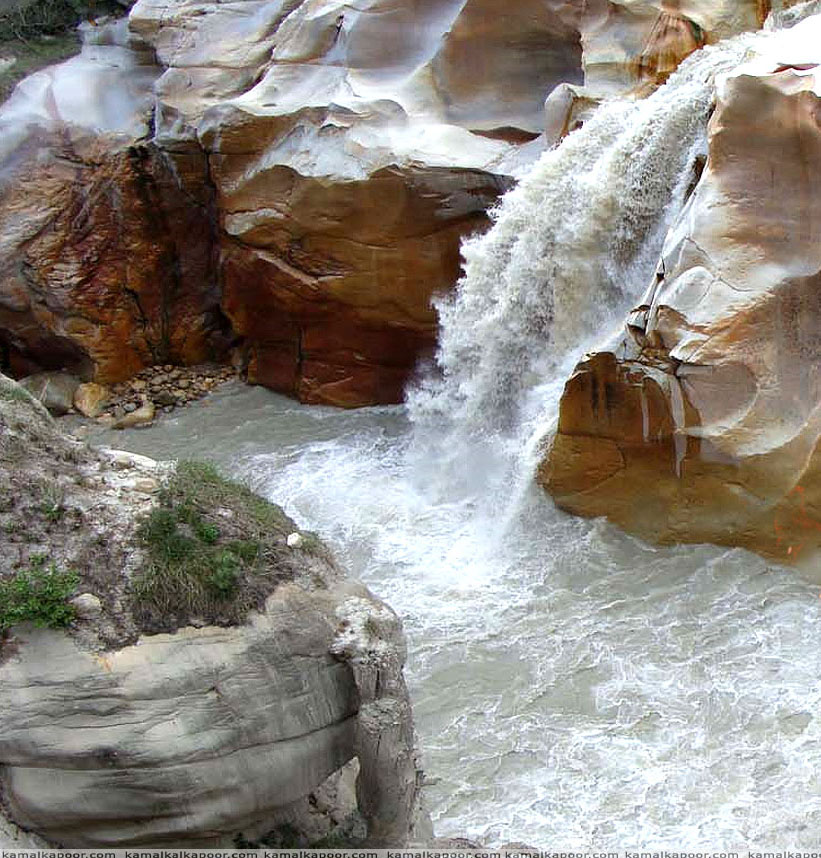
Gangotri  is a Hindu pilgrim town located in north at  Kashi  district of  uttrakhand state of India. It is in grater Himalayan range, at a height of 3,415 m. Gangotri is the origin of Indian holy river “ganga” and in the one of the site of chardham pilgrim circit of hindus in india.The river is called “Bhagirathi”, but onwards devprayag where it meets alaknanda it is called “ganga”. The origin of river is “gaumukh” which is 19 km away from gangotri in Himalayan glacier. There is a single day travel to reach gangotri from near by popular locations like rishikesh, haridwar, yamunotri and dehradun. Compare to the yamunotri, gangotri  has a good accessibility of bus, car and other transporting facilities. Gangotri is centerd by the temple of gange built by the nepali general “amarsingh thapa” in the early 18th century. As a popular pilgrim place of India Gangotri serves the starting place for “gangotri-gaumukh” and “gangotri-kedartal”  travelling routes.

The temple is under supervision of “semval” family of pujaries and the aarti time ceremony of the temple is quite impressive.


Map of Gangotri:


Gangotri is a northest most part of uttrakhand and very near the “indo-tibbetian” border. It is approximately 300 km from Dehradun, 250 km from Rishikesh and 105 km from Uttarkashi. Because of the freezing cold in most of the part of year, the temple”’s door are only opened at months may to November for the tourists.

Why Ganga is also called by Bhagirathi ?  

According to the old legend and ancient says, the ganga is a result of reward given by lord “shiva” to the king “bhagirath” for his penance. However, due to her pride, and the fact that the earth would be devastated if Ganga came down in her full force, Lord Shiva caught her in his locks The sacred stone near the temple denotes the place where Ganga first came down to earth. This is why Ganga is also called by the name of Bhagirathi.

Mythological Legend of Gangotri

Gange is a holliest river of india which is named by Bhagirathi also in north india and is also known as “hugli” near by the west Bengal. The name Bhagirathi shows the cause and legendery of her. From the ancient india to the   20th century, ganga remained as important as her was.

As the legend goes, King Bhagirath used to worship Lord Shiva at the sacred stone, near which this 18th century temple is located. The slab on which King Bhagirath is believed to have meditated is called Bhagirathi Shila. The mother Ganga is worshipped as Goddess and the holy river in the temple. Before performing the Puja rituals, a holy dip in the Ganga flowing nearby the temple is a must. The Pujari's (priest) belong to Brahmin community from Mukhwa village. Ten of them are selected by rotation every year to perform all the functions covering the temple and they also perform the duties of pandas.


Hindu Pilgrimages Gangotri Legend


One of the most popular Hindu Dham from Char Dham - Gangotri (Source of The Ganges River)


The Popular Hindu Temple at Gangotri Pictures


The Hindu Temple of Gangotri Wallpaper Free Download


 River of Ganga ( Gangotri ) Hindu Temple Pictures Collection


Gangotri The Famous Hindu Temple Images


Gangotri The Famous Temple of Hindu Pilgrimages Photos


Gangotri - The Famous Temple of India Photos Download


Tag : River of Ganga, The River of Ganga, River Gange, Gomukh, Gaumukh, Hindu Pilgrimages, Source of The Ganges, Char Dham Trip, Gangotri Pictures, Gangotri Photos, Images of Gangotri, Map of Gangotri, Gangotri Map
Read More

THE GOLDEN TEMPLE - PHOTO


The Golden Temple


About Golden Temple

The golden temple is also known as “SRI HARMANDIR SAHIB” or “SRI DARBAR SAHIB TEMPLE”. The temple is well known in the world because of its scenic beauty and the golden coating around its dome. It is named after the word “HARI” which means god so this way the word states that the meaning of the name SRI HARI temple means the temple of god. The temple is in main attraction for the Sikhs and they daily wish to pay obeisance to SRI HARMANDIR SAHIB in their ARDAS into the temple at AMRITSAR.

GURU ARJAN SAHEB the FIFTH NANAK himself conceived the idea of creating a central place of worship for the SIKHS and designed the architecture of SRI HARMANDIR SAHIB. Shortly after the making of temple the planning to excavate the holy AMRITSAR or AMRIT SAROVAR was chalked out by GURU AMARDAS SAHIB whom was the THIRD NANAK himself but it was executed by GURU RAMDAS SAHIB under the supervision of BABA BUDHA JI. 


Where is the golden temple ?

The golden temple is located in the AMRITSAR city of PUNJAB state. The temple is known worldwide for its beauty and sublime peacefulness and has a great attraction for people of SIKHS community all over the world. The temple site is located in a place quite like forest. This way the location is also popular for wandering MEDICANTS and has a peaceful nature around it to sage deep antiquity. 

The Buddha is known to have spent time at this place in contemplation before 2000 years ago. After Buddha’s time, another philosopher-saint came to live and meditate to the peaceful lake. He was GURU NANAK (1469-1539) whom is founder of the SIKH religion.


Temple of Harmandir Sahib

After the death of GURU NANAK, his disciples continued to frequent the site. Time passed away and over the centuries it became the primary scared shrine of the SIKHS. The lake surrounding temple was enlarged and structurally contained during the leadership of FOURTH SIKH guru named GURU RAMDAS (1574-1581) AND FIFTH guru named GURU ARJAN (1581-1606) when the god of temple HARMANDIR was built. During the early 16th to mid of 17th centuries the sixth to tenth SIKH gurus were involved constantly in defending their religion from against MUSLIM (MUGHALS) armies. The temple was destroyed number of times by MUSLIMS but each and every time it was rebuilt more beautifully by the SIKHS. From 1767 onwards, the SIKHS became strong enough to resist among the major and capital internal armies of INDIA and the result is, the temple of SRI HARMANDIR SAHIB is still stood peacefully. 

The temple has a unique combination of artistic styles of HINDUS and MUSLIMS in architecture. During the rule of MAHARAJA RANJITSINGH (1780-1839), the temple was richly ornamented with marble scriptures, golden gilding and large quantities of rich precious stones. Within the sanctuary, the scared scripture of SIKHS the ADI GRANTHA lies on a platform of jewels. The scripture is a collection of number of devotional poems, prayers and hymns composed by the ten SIKH gurus and various HINDU, MUSLIM saints. Beginning early in the morning and at the sunset time these hymns are chanted to the exquisite accompaniment of flutes, drums and stringed instruments. Famous musicians and singers also invited to take part into these ceremonies at holy occasions. Echoing across the serene lake, this enchantingly beautiful music induces delicate yet powerful state of trance in the pilgrims strolling leisurely around the marble concourse encircling the pool and temple.


The History of the Golden Temple ( Har mandir)

The entrance to the Golden Temple complex is through an ornate archway with intricate inlay work. Verses from the GRANTH SAHIB are inscribed on the doorway. The main north entrance is under a Victorian clock tower. Known as the DARSHANI DEORI, the entrance is up a flight of steps and down again to the temple and holy tank. The temple is a two storey marble structure reached by a causeway known as Guru´s Bridge. The lower storey is in white marble with the walls decorated with inlaid flower and animal motifs in the PIETRADURA style of the TAJ-MAHAL. The architecture of the golden temple is a blend of the HINDU and MUSLIM styles.

The upper storey is gold plated, crowned with a dome (the Golden Dome) shaped like an inverted lotus. With the first light of dawn, the reflection of the temple in the tank gives an ethereal atmosphere to the complex. As the sun shifts, the temple presents myriad views, each magnificent and captivating. The Golden Dome (said to be glided with 100 kg of pure gold) is supposed to represent an inverted lotus flower, pointing back to earth to symbolize the Sikh´s concern with the problems of this world

The temple building has four entrances instead of the usual single entry. This is symbolic of the openness of Sikhism and indicates that followers of all faiths are allowed inside. The walls within are decorated with carved wooden panels and elaborate inlay work in silver and gold. The ADI GRANTH, compiled by Guru ARJAN DEV, rests on a throne beneath a jewel-encrusted canopy. Priests conduct continuous recitation of verses from the holy book in 3-hour shifts. A complete reading of the text stakes 48 hours. The original copy of the Guru GRANTH SAHIB is kept under pink shroud in the, Golden Temple during the day and at around 10 p.m. each day is ceremoniously returned to the Akal TAKHT (Sikh Parliament) building. The morning processional ceremony takes place at 4 a.m. in SUMMER and at 5 a.m. in WINTER, when Sri Guru GRANTH SAHIB is bought from Akal TAKHT SAHIB in a procession to the Sanctum Sanctorum, which is washed with milk.

The GOLDEN TEMPLE is open to all. Pilgrims and visitors to the Golden Temple must remove their shoes and cover their heads before entering the precincts. No Smoking is allowed inside the whole temple area, photography is permitted only in/from the PARIKRAMA, the marble pathway that surrounds the sacred pool. An English speaking guide is available at the information office near clock Tower that marks the temples main entrance. The information office has a number of interesting free publications.
                                                
The old city, with the Golden Temple and surrounding bazaars along narrow alleys, is encircled by a ring road. Even today, the markets have an ambience of ancient times, when traders bought and sold goods right across from central Asia up to the farthest corners of India. Little light reaches down to the congested streets, which are best negotiated on foot. There are rows upon rows of shops on each street selling specifics goods. Guru Bazaar specializes in GOLDEN JEWELLARY shops, while the Bazaar KESARIAN is for steel and brass utensils. The smells of KATRA KATHIAN announce its wares before you reach the shops selling PAPADS, WARIAN (crispy made from pulses) MURABBAS (Indian jams), pickles and AAM-PAPAD (dried mango candies). The MISHRI Bazaar is the place to buy dry fruits, while KATRA Mohan Singh offers a COLOURFUL kaleidoscope of bridal glass bangles.

“AMRITSAR” is one of Punjab´s principal cities, dating back in history over 400 years. It is known more for the world famous GOLDEN TEMPLE, the seat of Sikh religion. Situated on the north-western border of India, the city is also gateway for the travelers on the overland route through Pakistan. The WAGAH border, which is the “check-post”, is about 29 km away. Amritsar literally means "the pool of nectar", the name derived from a pool constructed at the sacred site in the 16th century, gifted by the MUGHAL Emperor Akbar to Guru RAMDAS, the fourth preceptor of the Sikh.


ARCHITECTURE OF THE GOLDEN TEMPLE:

SRIHARMANDIR SAHIB is built on a 67 sq-ft. platform in the centre of the SAROVAR (tank). The temple itself is 40.5 sq-ft. It has a door each on the East, West, North and South. The DARSHANI DEORI (an arch) stands at the shore end of the causeway. The door frame of the arch is about 10ft in height and 8ft 6inches in breath. The door panes are decorated with artistic style. It opens on to the causeway or bridge that leads to the main building of SRI HARMANDIR SAHIB. It is 202 feet in length and 21 feet in width.

The bridge is connected with the 13 feet wide 'PRADAKSHINA' (circumambulatory path). It runs round the main shrine and it leads to the 'HAR KI PAURE' (steps of God). On the first floor of 'HAR KI PAURE', there is continuous reading of Guru GRANTH SAHIB. The main structure of SRI HARMANDIR SAHIB, functionally as well as technically is a three-storied one. The front, which faces the bridge, is decorated with repeated cusped arches and the roof of the first floor is at the height of the 26 feet and 9 inches. 

At the top of the first floor 4 feet high parapet rises on all the sides which has also four 'MAMTEES' on the four corners and exactly on the top of the central hall of the main sanctuary rises the third story. It is a small square room and having three gates. A regular recitation of Guru GRANTH SAHIB is also held there. On the top of this room stands the low fluted 'GUMBAZ'(dome) having lotus petal motif in relief at the base inverted lotus at the top which supports the 'KALASH' having a beautiful 'CHHATRI' at the end.

The GOLDEN TEMPLE architecture represents a unique harmony between the Muslims and the Hindus way of construction work and this is considered the best architectural specimens of the world. It is often quoted that this architecture has created an independent Sikh school of architecture in the history of art in India.  

The GOLDEN TEMPLE or DARBAR SAHIB, situated in Amritsar, Punjab, is the most sacred temple for Sikhs. It is a symbol of the magnificence and strength of the Sikh people all over the world. In the evolution of the DARBAR SAHIB, is entwined the history and ideology of Sikhism. In its architecture are included, symbols associated with other places of worship. This is an example of the spirit of tolerance and acceptance that the Sikh philosophy propounds.

This is the style that developed in the DRAVIDA DESAM. The VIMANA and the GOPURAMS are the distinctive characteristics of the Southern style. The VIMANA is a tall pyramidal tower consisting of several progressively smaller STOREYS. This stands on a square base. The GOPURAMS has a two storys seperated by a horizontal moulding. The PRAKARA or the outerwall, envelops the main shrine as well as the other smaller shrines, the tank. The PALLAVAS, the CHOLAS, the PANDYAS, the VIJAY NAGAR rulers, the NAYAKS all contributed to the Southern style of temples.


The Famous Hindu Temple of India at Amritsar Posters Golden Temple Photos


The Golden Temple of India at Amritsar Pictures

Tage: temple golden, the golden temple, where is the golden temple, about golden temple, golden temple photos, photos of golden temple, pictures of golden temple, images of golden temple, picture of the golden temple, golden temple photo
Read More

Sharethis